



Basic Plant Care & Processing
This page contains no affiliate links, advertising, or paywalls. Just honest advice from experienced professionals since 2009!
Introduction:
Preparing Plants For Bioactive Terrariums
This article was written in an effort to outline the basic procedures we recommend when preparing a plant for life in a terrarium or vivarium. While it's especially important to follow the processing steps when working with plants from less-trusted sources, we believe it's a good preventative measure to follow when purchasing plants from anywhere. Although all of the plants we propagate in-house are grown hyper-organically (and are of unreasonably good quality  ), we even recommend processing most of our plants for good measure before they are added to a terrarium. Different plants have different instructions though, and we'll get into each below.
We're proud to say that these steps found in our article have become industry standard over the past decade since this article was originally posted. Although the specifics (and formatting) have been updated to keep up with the times, the intentions behind it remain the same. To be specific, the following procedures are thought to help reduce the risk of introducing things like snails, slugs, (excess) detritivorous mites, harmful fungi, and other tough-to-spot pests/pathogens into a bioactive terrarium. The simple process only takes a few minutes, and we believe it's always worth the peace of mind.
Step 1:
Bare Rooting A Plant:
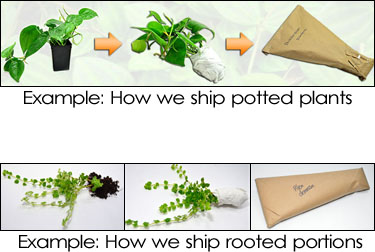
Our plant customers can skip reading this step since all NEHERP-sourced plants are bare-rooted prior to shipment. Bare rooting a plant is the process of removing soil from its roots. Most terrarium-typical plants are fairly resilient when it comes to us fussing with their roots. The main thing to avoid is folding any of the root structure during the process. You will not cause any lasting damage to your plant by bare rooting it carefully, especially if it will be planted shortly thereafter. First, remove the plant from the pot, and gently shake & brush off any loose soil into a trash receptacle. Once the majority of the soil has been removed, we recommend gently rinsing the rest of it off using water from a sink. If your sink has a spray setting, it can be super helpful in quickly blasting the soil off. Using a strainer to catch the larger soil bits can make cleanup quick & easy, while ensuring nothing too big makes it down the drain. Once all the soil has been carefully removed from the roots & plant base, this step is finished.
Step 2:
Processing Plants:
The type of processing procedure we'd recommend depends on the sensitivity of the plant(s) being treated. Below, we've outlined the procedure for both sensitive and non-sensitive flora. Before we get started, we should mention that tissue-cultured plants do not generally require processing after bare-rooting since they are typically grown in near-sterile conditions. Also, our NEHERP-brand Terrarium Moss & Moss Slurry is pre-processed, and will not require additional effort. For all other plants, review the appropriate processing category below.
Important Note: The steps outlined below are not pesticide-removing procedures. Read More. It has come to our attention that some folks on social media are incorrectly describing the following procedures as "pesticide removing" solutions for plants purchased from non-specialist sources. (Garden Centers, Hardware Stores, Big Box Stores, etc.) The procedures below may incidentally remove some surface-based contaminants, but they will not have any impact on systemic chemicals. Systemics are an increasingly common class of chemicals that are absorbed into a plant's cellular structure for months at a time. If a systemic chemical was used by a grower, there is no way to quickly remove it from a plant. The most popular "solution" we've read about involves giving the plant a gentle scrub with diluted dish soap & water, repotting it in organic soil, and simply waiting a few months (or longer) for the contaminant to wear off. That being said, the risks associated with doing so and the length of quarantine will vary, depending on the specific chemical(s) used. When purchasing plants from reputable organic growers & terrarium plant suppliers, concerns regarding pesticides & other harmful contaminants should not be an issue. Hide Note
Step 2a:
Processing Procedure for Non-Sensitive Flora
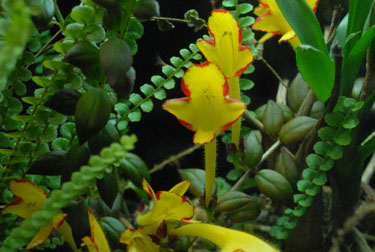
Treating a plant to a dip in a carefully diluted bleach solution is the most common, safe, and easy procedure that most responsible vivarium builders follow. If you are unsure how your plant will react to processing, we recommend reaching out to your plant supplier for advice on a particular species or simply testing a clipping of it first before proceeding. Generally speaking, this is acceptable practice for the majority of commonly available plants in the terrarium hobby. Processing multiple plants simultaneously is usually the quickest way to move forward. This procedure is good practice to follow for plants from nearly every source but is especially important if plants could have been grown in inhabited vivariums. (We never sell plants pulled from inhabited enclosures, for the record!)
How To Process Non-Sensitive Plants For Bioactive Terrariums:
1) Carefully bare root the plant using the procedure explained in step 1
2) Soak the plant in water for 10-15 minutes (Allow it to absorb water)
3) Submerge the plant in a diluted bleach solution for 2-3 minutes
3a) For household bleach (5%), use 1 1/4 cups per gallon of water
3c) For germicidal bleach (8.25%), use 3/4 cup per gallon of water
4) Rinse the plant thoroughly with water to completely remove the solution
5) Once it's been very well rinsed, your plant is now ready for planting!
Step 2b:
Processing Procedure for Sensitive Flora
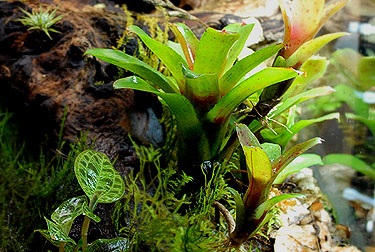
Some species of plants are too sensitive to treat with the diluted bleach solution. It's tough to create a specific list of plants that are too sensitive for a bleach dip since there are thousands of species on the market. As a general rule, most species of Bromeliads (Neoregelias, Tillandsias, Aechmeas, etc.), Orchids, sensitive mosses, uncommon Begonias, Marcgravia, Microgramma, and physically delicate clippings should likely not be bleach processed. When in doubt on how to proceed, we recommend asking your plant supplier for advice on which process would work best! Our email is support@neherpetoculture.com for those purchasing plants from us!
To process sensitive flora, we suggest a thorough rinse, a gentle scrub, and allowing the plant to soak for 1-10 hours in purified water. Doing so won't carry all of the benefits of the more aggressive treatment but should still greatly minimize the risks of contaminating a vivarium with unwanted microfauna. Certain species are so sensitive that even this procedure would be too much, and a careful rinse & close inspection may be all that's possible. In that case, it's important to check above & below each leaf, and especially in areas where leaves connect with stems (nodes) for signs of illness and/or pests.
Step 3:
Introducing Plants & Encouraging Healthy Acclimation
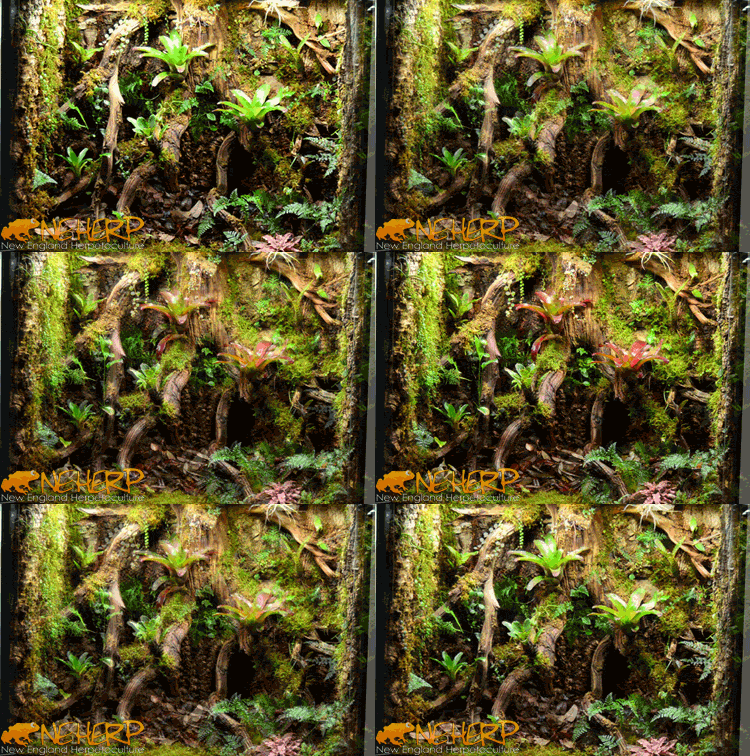
For all plants placed in a vivarium, the first few weeks are always the most critical for their long-term development. During this time, the plant will begin to acclimate to its new surroundings by growing its root structure, as well as more readily visible foliar development. Before acclimating to its surroundings, it is normal for some plants to die back a bit before taking a turn for the better. This symptom is called transplant shock and is a common experience which typically resolves on it's own. Dead foliage should be carefully removed as it's spotted, but otherwise, we recommend against disturbing the plants while they acclimate. Most common plants must not be allowed to dry out during this critical acclimation period, and it's typical to mist more than usual for the first few weeks. While this advice doesn't apply to every plant, the majority of species we work with will benefit from a higher-than-usual level of moisture and humidity during this critical developmental phase. This is especially true with extremely fragile Moss, Selaginella, vines, and trailing plants. For this (and a few other reasons explained in Vivarium Construction 101), inhabitants should not be introduced into a vivarium until it's 3-6+ weeks old. For a whole lot more information on what to expect with freshly planted vivariums, check out our Vivarium Construction 102 article.
Additional Considerations:
The topics outlined above will get your plants started off right in a terrarium, assuming the terrarium is built to VC101 + VC102's specs. Those articles are pretty lengthy and in-depth though, so we'll go through a couple quick considerations below which should at least clear-up a few more common concerns. Substrate, lighting, and the conditions within the terrarium are the most broadly important things to consider moving forward.
Vivarium Substrate
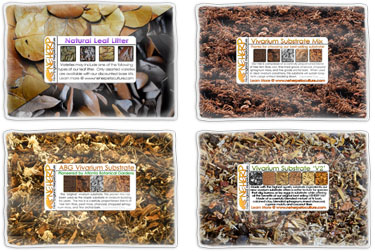
Poor-quality substrate is probably the #1 reason plants fail in bioactive terrariums. There are an incredible number of well-marketed but poor-performing substrates targeted at the bioactive terrarium hobby. An appropriate substrate choice is absolutely critical for the long-term viability of plants, mycorrhizal fungi (which plants benefit from), and microfauna. We suggest using a well-proven blend like authentic ABG substrate or NEHERP Substrate for best results. (Authentic ABG recipe listed below) Substrates that rely on cheap fillers, don't list ingredients, and/or don't have enough aggregates may be more likely to fail prematurely in the long run as the mix compacts. Our NEHERP substrates (and ABG) contain roughly 70% top-quality aggregate ingredients for reference. Check out our Vivarium Construction 101 guide for lots more info on this subject!
Important Note: The above paragraph applies to the Temperate & Tropical environments in which we specialize.
ABG Recipe: 2 Parts Tree Fern Fiber, 1 Part Peat Moss, 1 Part Charcoal, 1 Part Sphagnum Moss, and 2 Parts Fir Bark.
Plant-Appropriate Lighting
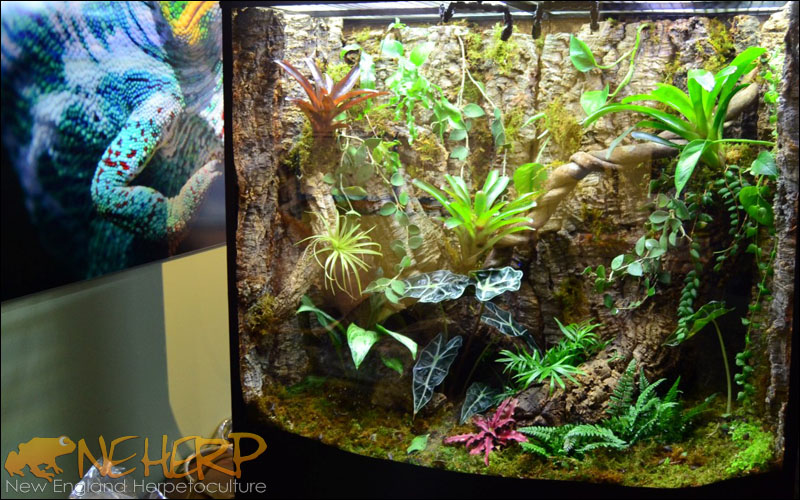
Lighting is a tough subject to breach without diving deeply into definitions & statistics. Unfortunately, inadequate lighting (lack of PAR/PPFD) is probably the #2 most common reason plants fail to thrive in bioactive terrariums. For practical enclosure-specific lighting advice, check out our Vivarium Lighting Kits. If you don't see a terrarium of a similar size to yours listed, just email us for an appropriate lighting suggestion at support@neherpetoculture.com. If you'd like to learn more about vivarium lighting theory, please visit our Vivarium Lighting 101 guide.
Conditions
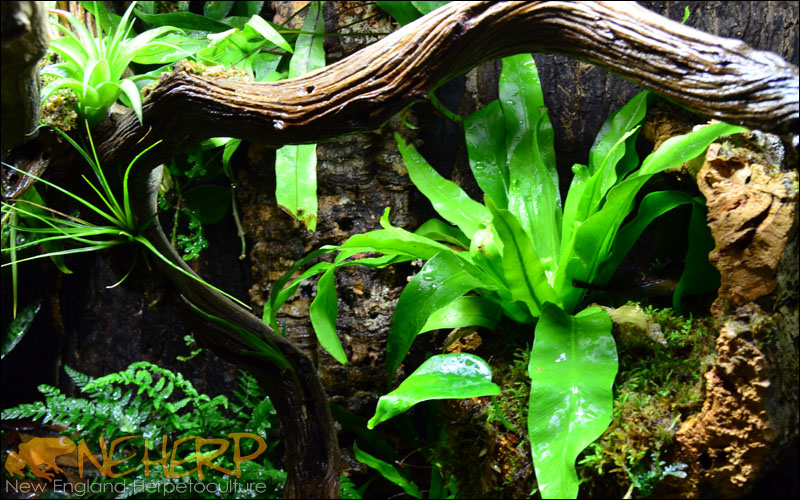
Regulating temperature, humidity, and moisture is important too, and each plant will have it's own preferences on those matters. To research a plant's preferred conditions, we'd recommend starting out the with the "Info Panels" on our Plant Menu. As of this most recent update (posted 3/22), the full plant info panels aren't visible on smaller devices, so we recommend doing the plant research on a laptop or computer for best results. Simply find the plant you've got, hit "View Description", and a simple table showing a plant's ideal watering, lighting, planting, and soil conditions should appear. Be sure to scroll through the "sold out" section too, since we keep the info up even when those plants aren't available. The listed conditions are what our staff follows at NEHERP while propagating & growing plants, and should help minimize transplant shock.
Conclusion
We hope this article helped answer your questions, but if there's anything else we can do to help, please don't hesitate to shoot us an email at support@neherpetoculture.com. We'd be happy to help!
Special Thanks ♥
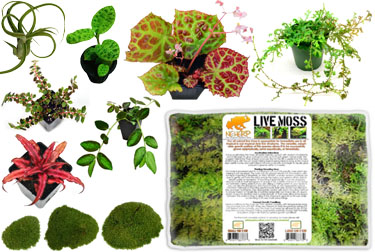
The free informational articles on our website are made possible by the direct support of our small business's customers. By buying stuff at our shop, customers like you help fund everything we do from product development to article publishing. This article doesn't rely on ad revenue or paywalls, and contains no affiliate marketing. We do our best to remain unbiased by turning-down sponsorships, advertisers, or paid manufacturer promotions. Instead, our whole store's inventory and recommendations are based upon which supplies performed best in our real-world tests from 2009-to-present. If you found this article helpful and would like to help ensure it remains free & frequently updated, we hope you'll support our shop when it comes time to build your own terrarium. Our customers have helped make NEHERP possible for over a decade, and we couldn't be more grateful. ♥
Visit Our Store's Main Menu 
Visit Our Store's Plant Menu 