









Crested & Gargoyle Gecko Breeding
The basics of breeding Rhacodactylus auriculatus & Correlophus ciliatus
Important note: This article was written in ~2010, and will soon be updated with up-to-date practices. ♥

Introduction
 The female should be a minimum of 12 months old (older is better)
The male should be at least 10 months old (older is better)
Geckos should be eating a proper diet, to help ensure reproductive health
Females should weigh 40+ grams before introduction.
Females weighing under 40G should not be introduced to a male. Males should weigh 30+ grams before introduction.
Paired Geckos should be of a similar size, and be outwardly healthy.
The female should be a minimum of 12 months old (older is better)
The male should be at least 10 months old (older is better)
Geckos should be eating a proper diet, to help ensure reproductive health
Females should weigh 40+ grams before introduction.
Females weighing under 40G should not be introduced to a male. Males should weigh 30+ grams before introduction.
Paired Geckos should be of a similar size, and be outwardly healthy.
Breeding Conditions
Temperatures should be kept between 74-79F during breeding season, with night time drops as low as 69F. We increase our automated misting to 2-3 cycles daily, at about 1 minute/ea cycle to keep relative humidity around 70-85%. This will encourage breeding behavior, and will help limit the risk of eggs drying out if they aren't found right away. We usually keep a 1:1 or 1:2 ratio of male to female Geckos per enclosure. Breeding pairs are kept in 18X18X24 (or larger) vivariums. Using larger enclosures helps minimize the risks of Geckos losing tails during breeding. While it's nothing more than an aesthetic preference, we're very particular about making sure Geckos keep their tails for as long as possible. (Ideally forever!) If you are planning on breeding in groups, be sure to have a very large, very tall cage.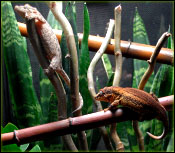
Introducing The Geckos
When a Gecko is first placed inside an enclosure housing it's future mate, try and put it in a place that's as far as possible from the other Gecko. That way, they can slowly approach each other when they are ready. During this time, do not reopen the enclosure or interfere with either animal. We usually introduce Geckos a few hours before the lights go out, when they are less active to give them the best chances of a "good introduction". Eventually they will approach each other and many will use body language, squeaks, and other noises to communicate during breeding season. The first few hours after the Geckos have been introduced can sometimes tell you a lot about how the interactions between them will go. Some individuals will mate shortly after introduction, but some may not mate for a day or two (or even longer!). If either Gecko seems overly-aggressive immediately after introduction, it's important to separate them to try again later. Overly aggressive behavior can result in injury, so it's usually better to be safe than sorry.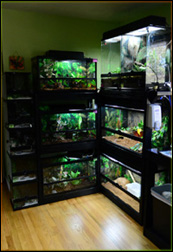
Pairing The Geckos
It is normal for both Crested & Gargoyle males to gently bite up and down the female's sides, neck, and tail before mating. It is also normal for them to vocalize during this time. Do not interfere unless either Gecko's wellbeing is in question. Mating can last anywhere from a few seconds to a few minutes. Depending on the individual pair's interaction, the Geckos can either be separated immediately after copulation (if there are clear signs of aggression), left for a limited duration (usually a few days to ensure a successful pairing), or even left in as permanent companions if both Geckos are non-aggressive and appear to "get along". It's always important to carefully monitor each pair's interaction over the first few days to ensure a good pairing if you decide to leave them together for any period of time. Measure the risks of negative interaction against each individual animal's disposition, since each Gecko can act completely differently than another. Typical signs of aggression include bite marks, scratches, and of course missing tails. Geckos that are well-paired long-term often sleep next to each other, eat together, and more.Egg Handling
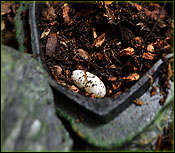
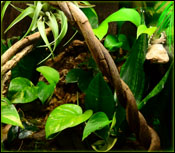
There is different egg handling advice, depending on the enclosure type being used. Below, we've got suggested options broken down by the most commonly used enclosure setups.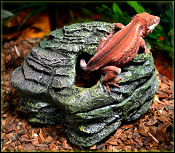
Eggs & Incubation
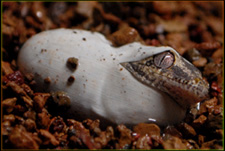
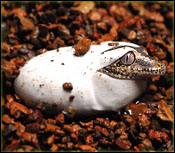
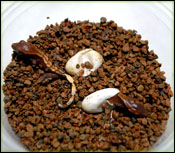
Most gravid females will drop 2 eggs about once per month. Eggs should look white to milky white in color, and should be a smooth oval shape. Yellow & misformed eggs are usually infertile, but you can also candle an egg to check for fertility. This is done by shining a bright light (we use an LED flashlight) through the egg and looking for a red "bullseye" usually formed by a developing embryo. Either way, it never hurts to incubate the egg(s) just in case. When the eggs are first discovered, we recommend using a sharpie marker to dot the side facing upward before they are moved. This helps to ensure the egg will remain oriented correctly throughout the incubation period, and maximize the egg's chance of hatching.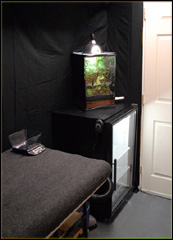
Housing Hatchlings
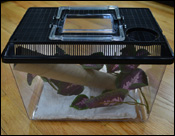
Newly hatched Geckos are sensitive and require more attention than their adult counterparts. Most keepers recommend keeping hatchlings in the incubator until they've had their first shed, which is critical. (Typically within 12-24 hours of hatching, provided there is enough humidity) Be sure the 1'st shed comes off completely before proceeding by providing plenty of humidity.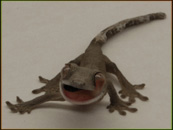
Feeding/Misting Hatchlings
We feed our hatchlings every other day by placing a roughly dime to nickel-sized blob of Repashy Gecko food on an upside-down 1.5oz deli cup. This provides a hard-to-tip "table top" for the Gecko to eat from, while minimizing the chances of it stepping in it's food. If a hatchling Gecko gets food on it's feet, it's important you remove it right away. (Gently misting usually works great!) Otherwise once the food dries, it can damage the sensitive hatchling's skin. Other suitable food offering containers include washed milk or soda bottle caps, film canister lids, and just about anything similar. As the Gecko grows, we add more food until eventually the 1.5oz deli cup can be turned upright with food inside; the same way we feed our adult Geckos using the feeder ledges.Tips & Tricks
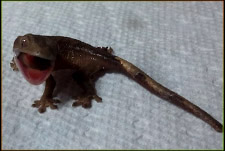
Crested & Gargoyle Geckos do not hatch out with adult coloration. They can take up to 8 months to color up fully, and even longer in some cases. If you are buying a young Gecko, it's important to trust your breeder's coloration information for what the Gecko will look like as an adult. (Looking at it's parents is usually a good indicator of what it could look like as an adult)
Mark the deli cups with lay dates & breeding pair info. It can be helpful when you'll want to estimate when your eggs will hatch.
The first clutch of every season has the worst chance of survival. Don't panic if it doesn't pan out as planned.
Some hatchling Geckos act like tiny little demons. They bite, squeak, and position themselves aggressively. No worries; they are absolutely harmless at this size, and usually grow out of the Napoleon complex within a few weeks. Do not over-handle them as day-old hatchlings with the excuse of "getting them used to people". They are scared and don't know you aren't a threat yet. Give them a few days of seeing you through the enclosure to get them used to you.
Females with no male can still lay (infertile) eggs. If this happens; consider purchasing a male. It is more difficult for a female to produce an infertile egg than a fertile one.
Check the calcium sacs of breeding Crested females (located at the back of her mouth) at least a couple times every season. If the sacs appear to shrink drastically, or look small to begin with, consider not breeding the female until the sacs appear healthy. This hinges on a proper diet, and using Repashy gecko food has always proven to keep our females healthy & happy.
Give hatchlings at least a few days to settle into life outside the egg before handling them.
Never house hatchlings with their parents long term; especially with adult males. The hatchlings can become food!
Avoid handling newly acquired or hatched Geckos until they've had at least a couple weeks to settle in to their new environment.
Be prepared! Have your incubation media, cups, incubator, and lay boxes all straightened away before you introduce your males & females.

 If you have any questions at all about the info in this article, don't hesitate to contact us. We're happy to help!